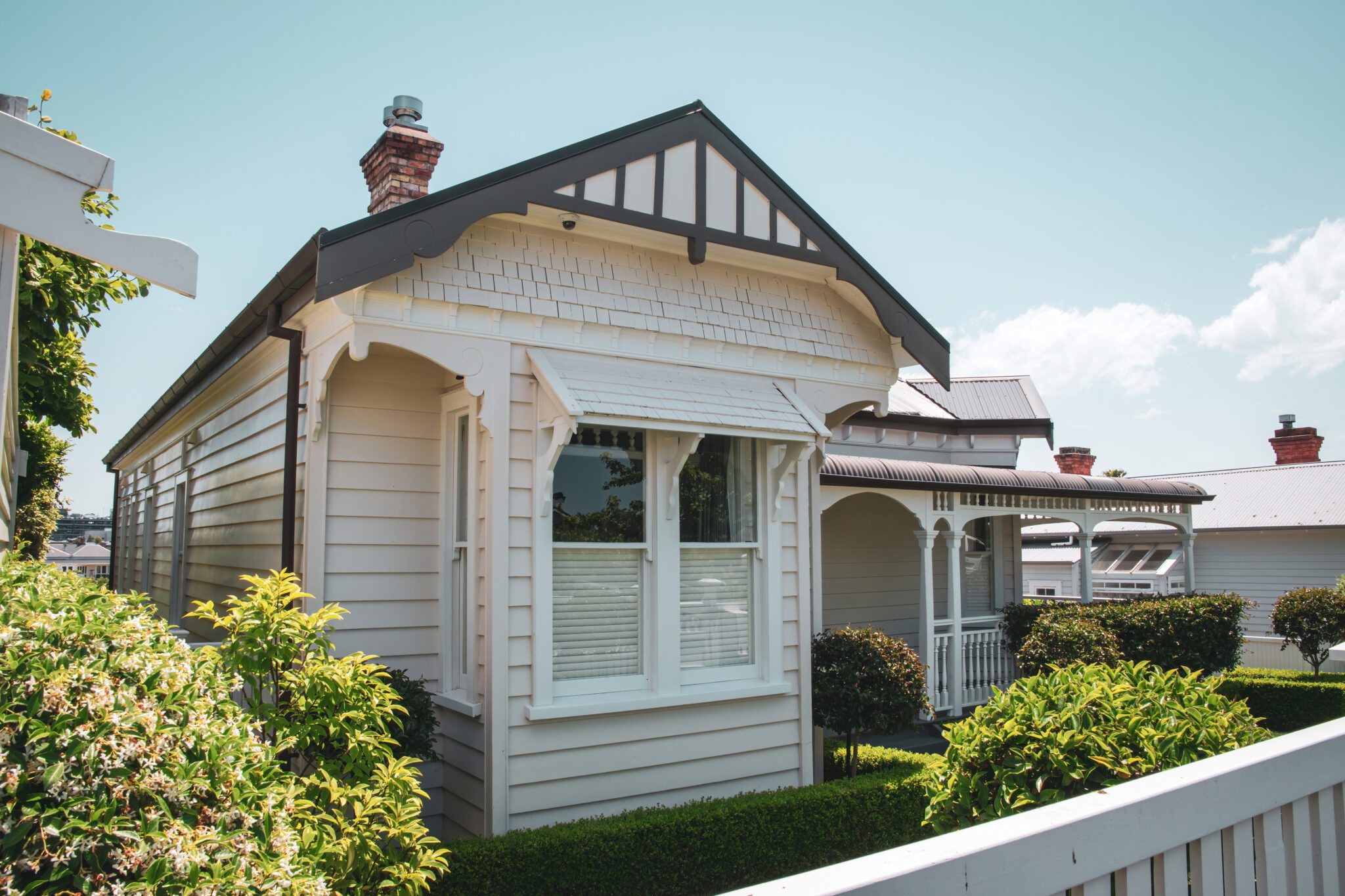
What Overseas Investors Need to Know from 6 March 2026
From 6 March 2026, significant reforms to New Zealand’s Overseas Investment Act 2005 come into force. These changes represent a clear policy shift towards faster decision‑making, simpler processes and greater certainty for overseas investors for some assets that are considered less sensitive.
A single National Interest Test for most investments
The most significant structural change is the introduction of a single National Interest Test for most overseas investments.
What has changed:
- The previous national interest, benefit to New Zealand test and investor test are consolidated into a single test.
- A risk‑based triage approach applies at the outset, with a new 3 stage assessment process.
- If no national interest risk is identified, consent can be granted quickly.
Speed is a central feature of the reforms. Most applications must now be decided within 15 working days, but OIO expect 80% to be processed within 5 working days. A longer assessment applies only where there is a credible national interest concern.
What has not changed:
The existing consent pathways remain for:
- Residential land;
- Farmland; and
- Fishing quota.
These assets continue to be treated as inherently sensitive and subject to more prescriptive controls.
Investor Plus: the $5 million residential pathway
The reforms also introduce the long awaited change for high‑value migrant investors.
Who qualifies:
- Overseas persons holding an Active Investor Plus, Investor 1 or Investor 2 visas.
- Purchase through a company or trust may be possible, subject to certain restrictions around ownership and control of any such entity.
What can be bought:
- One residential property valued at $5 million or more.
- Must have a dwelling already or one is to be built (expect time limits for when it is built by).
- “Residential land” means land that is categorised as ‘residential’ or ‘lifestyle’ for the purposes of the district valuation roll. The zoning of the land is irrelevant.
What is excluded:
- It is important to note that the property cannot be otherwise sensitive land. This means that some rural lifestyle blocks (over 5 ha), some land adjoining the seabed and foreshore, and some land on islands (over 0.4ha) cannot be bought under this pathway.
Applications must be processed within 15 working days, although the target is 5 working days.
Forestry: special treatment under the new regime for existing forestry investments
The ‘special forestry test’ has been removed. Existing forestry investments will be assessed under the new National Interest Test. For established forestry portfolios, this is expected to result in faster approvals and more predictable transaction timing.
However, farm conversion to forestry remains under the more stringent benefit test for farmland.
From 6 March 2026, low‑risk overseas investments should move at commercial speed. If you would like to discuss how these changes affect a current or proposed investment, please contact our Overseas Investment Law Specialists at Duncan Cotterill.
Special thanks to Partner Oliver Roberts and Senior Associate Nina Sidhu for preparing this article.
Disclaimer: The content of this article is general in nature and not intended as a substitute for specific professional advice on any matter and should not be relied upon for that purpose.