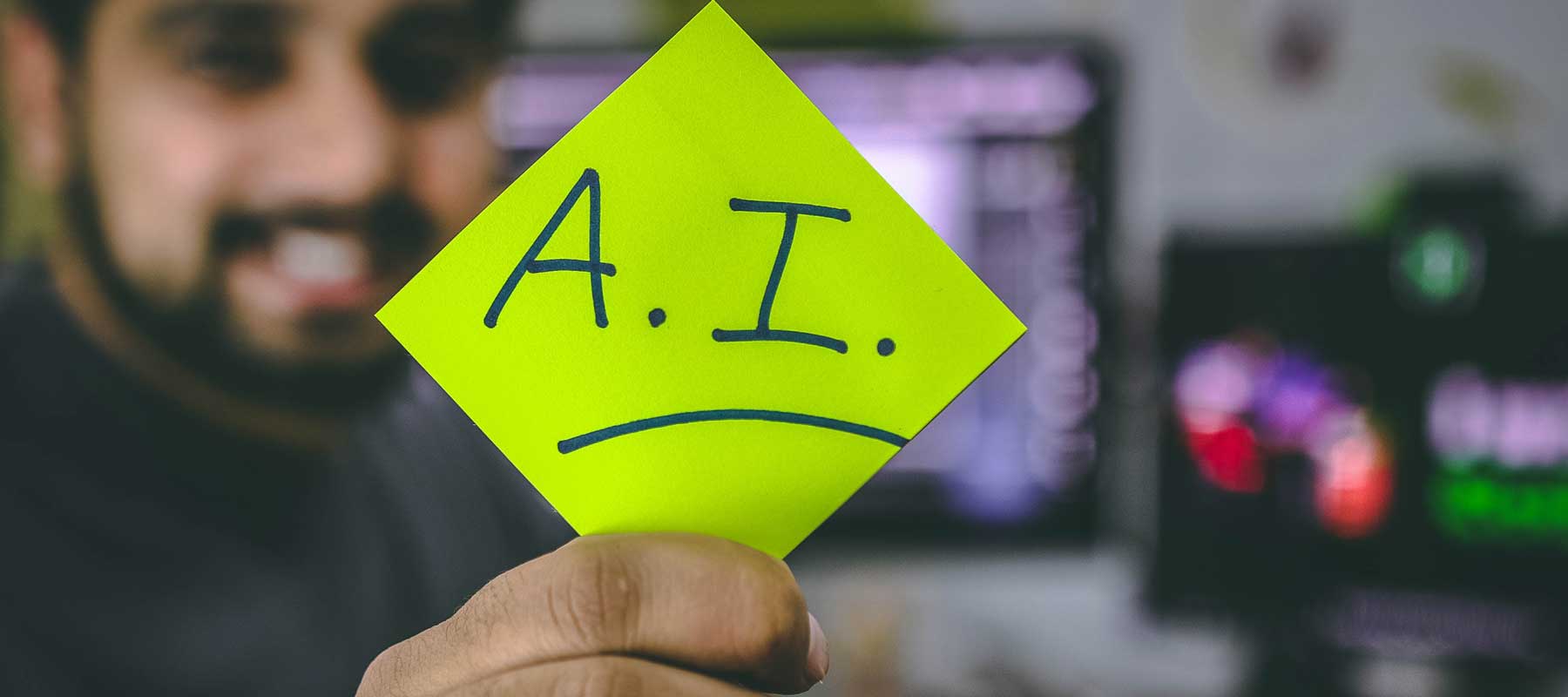
Artificial intelligence (AI) is on the rise in almost every industry – the freight sector is no exception. Although AI has been revolutionary in streamlining operations and increasing efficiency, there are some tasks that need to be considered cautiously. Contract review is tedious, but it requires legal judgment, critical thinking and commercial background –things that AI cannot reliably provide.
Benefits of AI in contract review
1. Time efficient:
It is undeniable that AI reduces the time required to complete certain tasks. Where reviewing a contract may have taken hours or days, AI can now churn through a document and provide a short summary in a matter of seconds. When reviewing contracts is not part of your day job, the efficiency of using an AI platform allows users to easily orient themselves within a document and, where necessary, determine if more specialised advice is required.
2. Simplifies Legal Jargon:
Time aside, contracts can also be both wordy and hard to understand. AI platforms can break down concepts into plain language and highlight red flags that users may otherwise not have been aware of. This can be incredibly helpful in framing risks under the contract, and to provide users with useful questions to raise with their lawyer.
Risks of AI in contract review
Failing to properly review a contract means you could end up being legally bound by an agreement that is not in your best interests.
1. It’s hard to give AI the ‘full picture’: Interpreting a contract is more than reading the document itself. AI does not know your business goals and cannot therefore balance short term and long-term goals. While AI may be able to ‘read’ a contract, simplify concepts into summaries, and even provide suggestions on what should be included in an agreement, there are questions it will not know to ask. A contract should accurately reflect the commercial understanding of the parties, distribute risk and obligation fairly, and give the parties a path forward in the face of disagreement. What exactly that commercial understanding is however, may not be something AI is equipped to find out or understand.
2. It cannot be a partner going forward: Significantly, you may struggle to have AI take you from that initial ‘snapshot’ onto the next step – discussing or suggesting amendments to your contract, negotiating changes or compromises with the other side, incorporating commercial considerations and processes and taking into account external factors that may impact risk. Contract negotiations are complex, and AI is not equipped to navigate the continuously changing facts, such that you may find without sufficient oversight or guidance, it will quickly lead you astray without your realising.
3. AI gets things wrong: While AI technology continues to improve, for the time being it will still frequently misinterpret or omit important information, which is problematic when users are unable to identify legal inconsistencies. AI can “hallucinate” by making up legislation, cases or principles, meaning users rely on information that does not exist.
4. AI likes to be agreeable: Lawyers are not known for their agreeable natures, but AI will often align with you if challenged instead of holding its ground, failing to test commercial decisions or drafting in detail. Certain AI may also look at existing inputs for assistance (e.g. your own emails or previous conversations), such that it becomes an echo-chamber, telling you what you want to hear or simply feeding you back information from preexisting resources, when this information may not be realistic, accurate or reflective of what is commercially or legally standard in the context.
5. Confidentiality is key: most public AI platforms are not bound by confidentiality rules. Sharing confidential, sensitive or privileged information from a contract risks breaching confidentiality obligations and permitting third parties to benefit from your commercial information.
When you need to consult a lawyer
AI can be a useful tool for contract review, but there are some circumstances where failing to consult a lawyer would likely do more harm than good. Below are some common examples:
- High-value contracts;
- Contracts with an unbalanced risk allocation or inadequate liability clauses, such that your risk and liability outweigh the benefit of the contract;
- Contracts with long terms or complex obligations (e.g. 10 year contracts requiring you to provide services which are reliant on third party machinery you do not control);
- Contracts that need to govern unique commercial arrangements, or one-off projects with important business partners (e.g. a sponsorship agreement of a sports team or new collaborative project) ;
- Arrangements where there are an abundance of external factors, commercial processes or underlying relationship history to consider (e.g. where you have worked with them previously and had conflict);
- Contracts that are unsigned, or where changes have been made informally;
- Contracts spanning multiple jurisdictions (i.e. where law from different countries apply);
- Contracts with complex amendments or proposed suggestions;
- Confidential or commercially sensitive matters;
- Agreements involving regulatory compliance (e.g. contracts that involve transporting regulated or complex goods);
- Contracts with supporting documents, including schedules or statements of work.
Where you have worked with a lawyer on other areas of your business, the insights gained from that work are often instrumental in shaping robust and well‑informed contracts.
Tips for using AI responsibly for contract review
Before turning to AI for contract review, it’s important to keep the following principles in mind:
- Be specific when asking questions in order to get the most accurate, well-rounded output.
- Do not enter any confidential or privileged information. This includes names, values, or other commercial conditions.
- Understand that AI platforms have limits. Some are better than others at legal questions – but this can be hard to differentiate for a non-lawyer.
- Be mindful that the risk associated with using AI ultimately sits with you. AI tools are not regulated or bound by any professional code of conduct, and do not owe you duties of care in the way professional advisers do. If the AI misinterprets drafting, misunderstands the commercial or legal context, or recommends changes that you choose to adopt, you and your business will bear the risk of any resulting consequences. Make sure you are confident in any comments or amendments before you share them with the other party.
- Unlike lawyers, AI tools are not supported by professional indemnity insurance. There is no financial protection if you rely on AI-generated advice or drafting which turns out to be incorrect. By contrast, registered lawyers are bound by a professional code of conduct and typically insured with professional indemnity insurance (which means that if sued, you will still be paid by insurance even if we have no funds ourselves).
- Always refer back to the contract – do not rely on AI to give the correct party names, dates, obligations or conditions. We recommend that you always read the contract yourself to ensure the AI has not misinterpreted wording, or hallucinated drafting or facts.
- Most importantly, know when to seek legal advice. AI should not be used as a substitute for qualified advice. Our lawyers deal with contracts every day and can not only walk you through the ins and outs of your document but also guide you through any required amendments or negotiations to progress the contract with confidence.
AI is a powerful tool that is already transforming how many companies operate. We hope you will find opportunities to use this technology to streamline or enhance your business but recommend assessing the risks and benefits of use in each specific context. AI can do a lot, but whether it can reliably meet all your business needs remains up for debate.
Special thanks to Partner Michael Moyes, Senior Associate Helen Chen, and Law Graduate Bella Renz for preparing this article.
Disclaimer: The content of this article is general in nature and not intended as a substitute for specific professional advice on any matter and should not be relied upon for that purpose.