Overlapping Duties: A Coordination Challenge Few Get Right
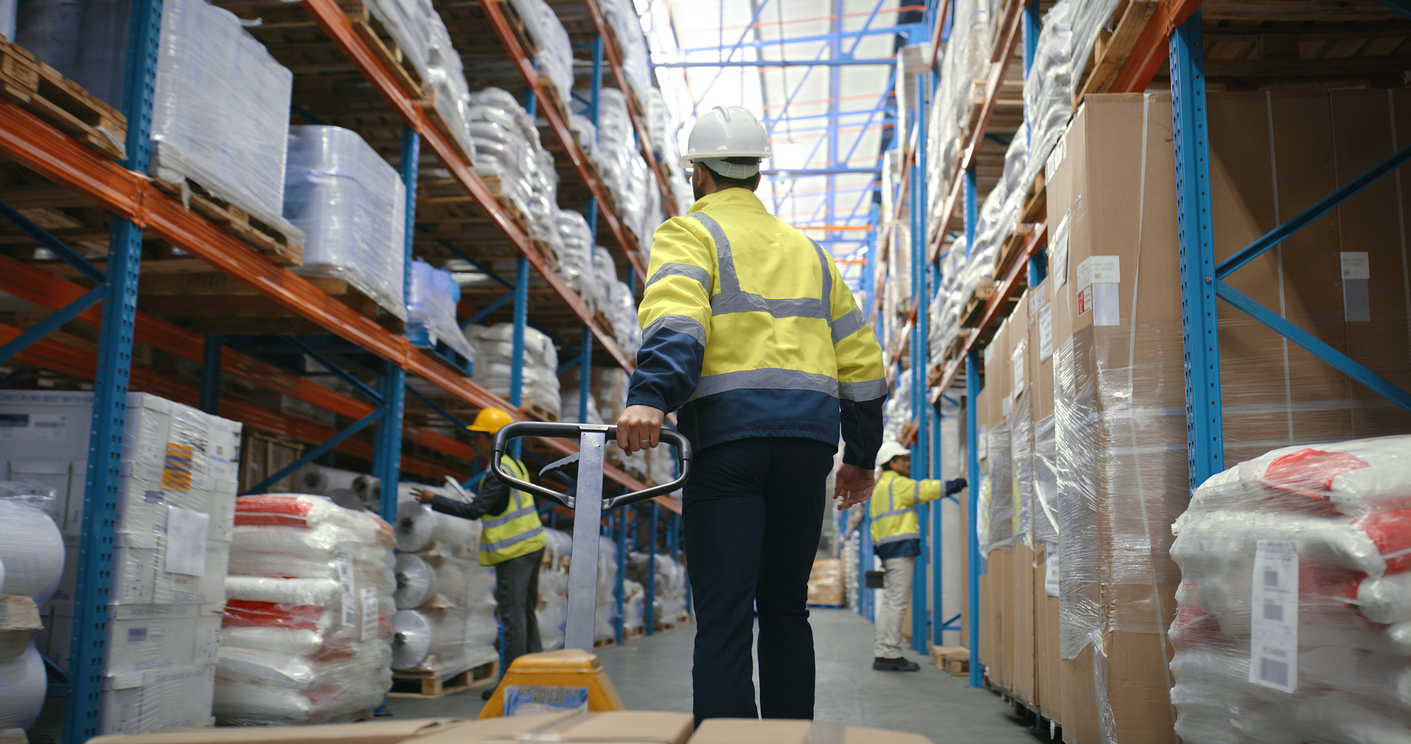
New Zealand is no stranger to complex multi-business environments. In a transport and logistics setting, a multi‑PCBU environment exists, where for example, a freight operator, warehouse operator, labour hire company and other contractors are working at the same site, with overlapping activities such as vehicle movements, loading and unloading, and traffic management creating shared risks.
These environments require high levels of coordination, especially when it comes to management of workplace health & safety.
The Health and Safety at Work Act 2015 (HSWA) requires PCBUs[1] (persons conducting business aka the business) to actively consult, cooperate and coordinate with each other when they share a workplace, or work together and have shared health and safety risks This is commonly known as the ‘three Cs’, or the ‘overlapping duties’.
In a multi‑business environment, managing risk means working together, and not assuming someone else has it covered. Assumptions about who is managing risk are a common cause of health and safety failures.
In the sector, management of risks can be amplified by mobile work, time pressures, shared control of vehicles, loads and routes, traffic, weather, fatigue, and various other human factors.
Increasingly, technology and AI‑systems will play an important role in supporting compliance with the triple-Cs, and regulatory expectations in this area are likely to increase accordingly.
Q: What are examples of overlapping risks in trucking and logistics?
Transport operations routinely involve multiple businesses – including fleet owners, drivers, logistics providers, freight customers, ports, and warehousing operators who are often working simultaneously.
Common overlapping risks may include:
- Vehicle safety and maintenance
- Human factors including driver fatigue and speeding
- Load restraint and handling
- Traffic management at depots and customer sites
Q: What does ‘consult, cooperate and coordinate’ look like on the road and at depots?
HSWA requires businesses to proactively align how risks are managed, not simply assume another party is responsible, or keep them written on the paper. Proactive action is required.
In practice, this may include, for example:
- Pre-engagement discussions clarifying:
- who controls vehicle safety, scheduling to monitor fatigue management, or traffic management;
- shared site rules for depots, yards and customer premises
- Agreeing on;
- processes for incident and near-miss reporting, breakdowns and emergencies;
- communication channels when routes, delivery schedules or conditions change; and
- Monitoring practices to ensure the engagement is working as intended.
For example, if delivery windows create time pressures and fatigue risks, both the logistics provider business and contractor driver business should actively discuss operational decisions being made, and review existing controls to ensure they are effective at managing the risk. The businesses should not simply rely on contractual terms.
Q: How can technology and AI assist duty holders to comply with the overlapping duty?
Technology can support the overlapping duty by providing real-time visibility of shared data, improving the quality, timeliness, and consistency of information sharing to enable the right practice action to be taken. Examples include:
- Telematics and AI-driven driver monitoring that enables identification of fatigue, speeding, or driving trends, enabling timely review of existing controls and early intervention (if required) to prevent harm.
- Shared contractor platforms to align inductions, competencies and safety expectations that enable businesses with different roles to access, for example, the same risk information, site rules, traffic management plans, and incident learnings in real time, to ensure all PCBUs have a common and current understanding of the work, and its risks.
- AI-assisted route planning can be used to reduce high‑risk driving conditions by enabling agreement on routes and schedules that minimise exposure to known risks (such as congestion or high‑incident areas), rather than each business planning in isolation, and relying on workers to manage the consequences of poor work design.
- Shared dashboards showing incidents, near misses and learnings. Used appropriately, these tools can support evidence‑based decisions about where controls are needed and who is best placed to implement them, reflecting each business’ actual influence and control.
Although positive action is still required by each PCBU, rather than a focus on data collection alone, these tools can, if used effectively, demonstrate proactive risk management and coordinated oversight.
Q: What should boards and executives ensure is in place?
At a governance level, some examples may include:
- A contractor management framework explicitly addressing the overlapping duty and how the three C’s will be carried out in practice
- Verifying that the three-Cs are being carried out in practice
- Clear allocation of risk ownership across the transport chain
- Oversight of how technology and AI insights are used in decision-making
- Regular reporting on contractor safety performance and high-risk activities
Bottom line
In transport and logistics, compliance with overlapping duties relies on strong leadership and active coordination across multiple moving parts.
While technology and AI are not substitutes for leadership, when used effectively and appropriately, can improve visibility of risks, accountability and ownership of each risk, and support stronger health and safety performance.
[1] Persons conducting a business or undertaking.
Special thanks to Partner Alastair Espie and Senior Associate Sanja Marin for preparing this article.
Disclaimer: The content of this article is general in nature and not intended as a substitute for specific professional advice on any matter and should not be relied upon for that purpose.